
Excellence Awards - Past Awardees
2025
Outstanding New Investigator Awardee
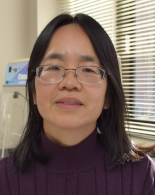
Guixia Hao, research molecular biologist in the Mycotoxin Prevention and Applied Microbiology Research Unit at the National Center for Agricultural Utilization Research with the USDA received the 2025 Outstanding New Investigator Awardee.
She was recognized for pioneering molecular innovations that integrate pathogen biology, gene discovery, and resistance engineering against Fusarium Head Blight. Her groundbreaking research shifted the paradigm from controlling FHB spread to reducing initial infection. Notably, she identified the first effector gene, FgNLS1, involved in initial infection, and discovered that the emerging trichothecene toxin NX plays a critical role in early-stage infection advancing our understanding of FH pathogenesis. Dr. Hao's work also includes the innovative use of RNA interference (RNAi) to silence key genes, demonstrating tangible reductions in both disease severity and mycotoxin production. She has published over 50 peer-reviewed articles, garnering national and international recognition.
Collaborative Achievement Team Awardees
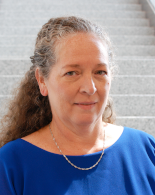
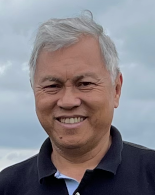
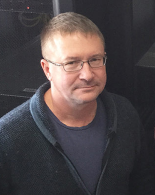
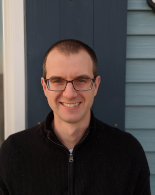
The USDA-ARS Small Grains Genotyping Labs received the 2025 Collaborative Achievement Team Award, with each of the Eastern, Central, Western, and North Central regional labs recognized. The representatives receiving the award included Gina Brown-Guedira, Guihua Bai, Deven See and Jason Fiedler.
This multi-institutional, multi-disciplinary collaboration, which works with over 50 collaborating breeding programs nationwide, has fundamentally accelerated the development and release of varieties with FHB resistance. The Genotyping Labs have integrated genomics into U.S. public wheat breeding by providing repeatable, cost-effective, and scalable marker-assisted and genomic selection data, enabling independent programs to reach necessary economies of scale. They are at the forefront of identifying and deploying causal genes, including the crucial Fhb1 locus for FHB resistance, and have built a Comprehensive Genotyping Database of U.S. Wheat Cultivars for informed imputation and historical data integration. For their tremendous service and collaborative efforts that streamline the release of better, more resistant varieties to American farmers, we honor the Small Grains Genotyping Labs.
Innovative Impact in Outreach Awardee
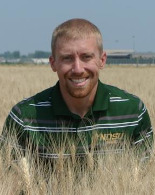
Andrew Friskop, extension plant pathologist and associate professor with North Dakota State University received the 2025 Innovative Impact in Outreach Award.
He was recognized for his creative, modern, and effective education programs that have profoundly benefited growers in the Northern Great Plains. His innovative use of technology, including an interactive Pest Management App and 360-degree virtual videos for disease diagnosis, as well as the rethinking of pest management schools with more hands-on experiences, have modernized the delivery of critical information to farming communities, particularly farmers new to FHB. Dr. Friskop’s tireless commitment to rapid, research-based advice has directly influenced thousands of acres of wheat and barley management decisions, leading to significant mitigation of FHB and mycotoxin risk. For his exceptional ingenuity in bringing science directly to the field and driving tangible improvements in FHB management in wheat and barley, we proudly honor his efforts.
Innovative Impact in Advocacy Team Awardees
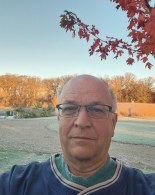
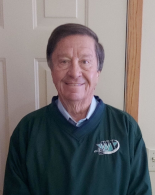
The dynamic duo of David Torgerson former executive director of the Minnesota Wheat Research and Promotion Council and Marv Zutz, executive director of the Minnesota Barley Growers Association received the 2025 Innovative Impact in Advocacy Team Award.
They were being honored for their foundational, three-decade-long advocacy that led directly to the creation of the U.S. Wheat and Barley Scab Initiative. Following the severe Fusarium Head Blight outbreak of 1993, Zutz and Torgerson worked tirelessly, first securing state funds through a University of Minnesota Rapid Response Fund which led to the allocation of funds from the State of Minnesota. Recognizing that FHB was a national crisis, they successfully leveraged their networks to push for a federal solution, culminating in the appropriation of federal funding starting in 1997 and which they consistently shepherded to ensure it continues still today. For their enduring leadership and innovative success in transforming a regional agricultural crisis into a national, collaborative, and funded research effort that continues to protect wheat and barley nationwide, we honor their ingenuity and tenacity.
Lifetime Achievement Awardee
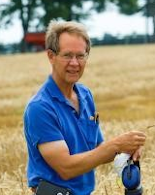
David Van Sandford, research professor with the University of Kentucky received the 2025 Lifetime Achievement Award.
As an accomplished wheat breeder and quantitative geneticist, his landmark publications, including integrated systems for molecular marker deployment and multi-state genomic prediction studies, have shaped the trajectory of FHB research and breeding worldwide. Equally important, his career transformed the national response to FHB in wheat and barley during his 12 years of service as the Researcher Co-Chair of the USWBSI (2006-2017); a period during which his strategic vision fostered national collaboration, established commodity-based coordinated projects, championed the successful development of the FHB Alert System a critical early warning tool used by more 2,000 growers, advisors and industry experts nationwide, and under his leadership an economic impact study was commissioned which revealed USWBSI’s remarkable return on investment of $71 for every dollar invested. Significantly, his seminal 2001 publication in Crop Science provided the blueprint for establishing the essential infrastructure of the four USDA regional genotyping laboratories (also honored and noted above). For his groundbreaking science, unwavering dedication, his deep commitment to the practical application of research for the benefit of farmers, and his lasting influence on the scientific community to advance solutions for FHB in U.S. wheat and barley, we proudly honor his achievements.